Emergency Funds vs. Preplanned Spending Funds: What’s the Difference?
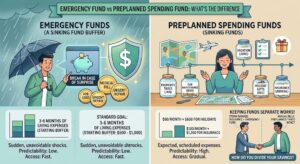 When an unexpected bill arrives, which savings account should you use? The answer depends on whether the expense is truly a surprise or something you could have anticipated. Understanding the difference between an emergency fund and a preplanned spending fund, often called a sinking fund, keeps your budget organized and your financial safety net intact.
An emergency fund protects against sudden, unavoidable shocks, events you cannot reasonably predict, such as job loss or a significant reduction in income, major medical bills, or urgent repairs. Because the timing and cost are uncertain, this money must remain liquid and easily accessible. While three to six months of living expenses is standard, starting with a $500 or $1,000 buffer is a meaningful first step.
Preplanned spending funds prepare you for expenses you know are coming: property taxes, annual insurance premiums, holiday gifts, vacations, routine vehicle maintenance, or planned home upgrades. Setting money aside gradually prevents predictable bills from busting your monthly cash flow.
For example, saving $50 a month yields $600 for holiday shopping by year-end. Setting aside $100 monthly turns a heavy $1,200 annual insurance bill into a manageable routine expense.
The core distinction comes down to predictability. Emergency funds absorb true surprises, while preplanned funds handle expected obligations. Mixing the two can leave you vulnerable when a genuine crisis occurs.
We’re seeing the value of keeping these two types of savings separate firsthand.
For example, we recently incurred significant expenses from a severe storm. Our homeowner’s insurance is covering the roof and tree damage. But extra tree removal is exceeding policy limits. So, our deductible and additional out-of-pocket costs are coming from our emergency fund, leaving preplanned funds untouched for upcoming annual bills.
How do you divide your savings between emergency reserves and preplanned spending funds?