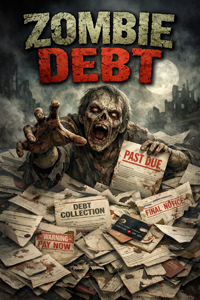
 Zombie debt feeds on fear. Don’t be the brains. Is this really a thing? It sure is! Zombie debt is exactly what it sounds like: old, often uncollectible debt that rises from the grave to chase you—long after it should be gone. These debts are usually past the statute of limitations, already paid, discharged in bankruptcy, or so old they no longer appear on your credit report. Yet somehow, they keep shambling back into your mailbox and voicemail.
Here’s how it works. Debt buyers purchase old accounts for pennies on the dollar, sometimes with incomplete or inaccurate records. They then try their luck, hoping you’ll panic, forget the details, or accidentally bring the debt back to life. And yes, that’s a thing. In many states, simply acknowledging the debt or making a small payment can restart the statute of limitations, legally reviving it. Congratulations—you just reanimated the zombie.
Zombie debt collectors often rely on urgency and fear: “Act now,” “final notice,” or “legal action pending.” What they’re counting on is that you won’t know your rights. Under the Fair Debt Collection Practices Act (FDCPA), you can demand written verification of the debt. If they can’t prove it’s valid and collectible, they must stop contacting you.
The real danger of zombie debt isn’t the money—it’s the mistake. Paying without verification, sharing personal information, or agreeing to a settlement can cost you real dollars for a debt that should’ve stayed buried.
Moral of the story:
Rule of thumb: never pay an old debt until you’ve confirmed it’s legitimate, still legally collectible, and actually yours. When it comes to zombie debt, curiosity and politeness can be expensive. Sometimes the smartest move is to shut the door, turn off the lights, and let the zombie starve.