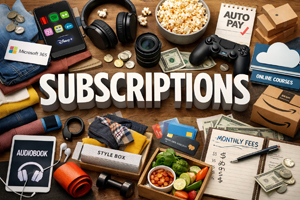
 We live in a subscription-based world, whether we notice it or not—and subscriptions are designed to feel inexpensive while quietly draining your money over time.
Not long ago, buying something was simple: you paid once and owned it. Today, ownership has largely been replaced by ongoing access. Movies, music, software, fitness programs, news, shopping perks, and even features in cars now come with monthly or annual fees. Instead of buying products outright, we’re renting convenience.
This shift didn’t happen by accident. Subscriptions give companies predictable, recurring income and long-term customer loyalty. Once a service becomes part of your routine, canceling feels like a hassle—even if you rarely use it. Tiered plans, upgrades, and add-ons make it easy to spend a little more each month without noticing how quickly those costs add up.
To be fair, subscriptions do have benefits. Lower upfront costs make premium tools and entertainment more accessible. Automatic updates, bundled services, and ease of use save time and effort. The problem isn’t subscriptions themselves—it’s how easily they accumulate in the background of your budget.
A few dollars here and there doesn’t seem dangerous, but combined, subscriptions can quietly consume hundreds—or even thousands—of dollars a year. Because payments are automatic, they often escape scrutiny and turn into expenses we stop questioning altogether.
In a subscription-based world, financial health isn’t just about income or big purchases—it’s about managing recurring commitments. One of the most valuable money habits today is regularly reviewing what you’re subscribed to and deciding what truly earns a spot in your budget.
Moral of the story:
Convenience has a cost, and awareness is how you control it. Do I have subscriptions? Absolutely. I have two software subscriptions, two genealogy subscriptions, and a couple of streaming services. Most are billed annually because it’s cheaper that way. And as I’ve shared before, cash-back rewards from my credit card cover all but two of them—making most essentially free for me.
Now it’s your turn. Take a hard look at how subscriptions are costing you. If you don’t use them, lose them.