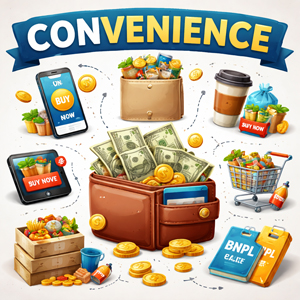
 Convenience saves time—but quietly steals your money. While it may make life easier—it quietly makes life more expensive too. From drive-throughs to one-click shopping, we’re paying a premium for speed, simplicity, and comfort. The cost isn’t always obvious in the moment, but over time, convenience drains more money than most people realize.
Think about food. Pre-cut produce, meal kits, delivery apps, and takeout save time, but they often cost two to three times more than cooking at home. The same is true with coffee runs. A daily $6 latte feels harmless until it becomes a $180 monthly habit. Convenience turns small, frequent purchases into major budget leaks.
Shopping habits follow the same pattern. One-click ordering removes the pause that once helped us reconsider a purchase. Subscription services auto-renew quietly, charging you for products or entertainment you may barely use. Even banking convenience—like overdraft protection or buy-now-pay-later options—can come with fees and interest that add up fast.
Convenience also reduces awareness. When spending is frictionless, we’re less intentional. We trade long-term financial progress for short-term ease, often without realizing it. The problem isn’t convenience itself—it’s relying on it by default.
Being mindful doesn’t mean giving up every modern comfort. It means choosing convenience strategically. Cook at home more often, batch errands, review subscriptions regularly, and add a pause before purchases. Small inconveniences can create big financial wins.
Moral of the story:
In the end, convenience isn’t free—you’re always paying for it somehow. The question is whether the cost is worth what you’re getting in return.