Is Being Frugal Still Possible in 2026?
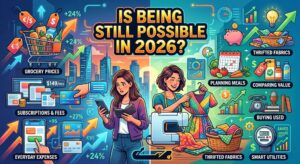 With grocery prices, subscriptions, convenience fees, and everyday expenses continuing to put pressure on household budgets, being frugal in 2026 can feel harder than it used to.
But frugality is still possible. It just looks different.
It’s not about giving up everything you enjoy or spending hours trying to save a dollar. It’s about making intentional choices and getting value from your money.
Start by planning a few meals, comparing unit prices, and using what’s already in your pantry. Review subscriptions, phone plans, insurance, and energy use. Small recurring savings add up over time.
Before larger purchases, compare prices, consider buying used, and evaluate the total cost, rather than just the monthly payment. Sometimes paying more for quality is the frugal choice if an item lasts longer.
Frugality also means knowing what not to cut. Skipping needed repairs or nutritious food to save money today can cost more later. Paying a little extra for something that saves time and prevents larger expenses elsewhere can be a smart choice, too.
You don’t have to change everything at once. Set a realistic spending limit and tackle one costly habit at a time.
For example, as someone who sews, I’ve noticed that fabric has gotten expensive. To cut costs, I buy thrifted sheets, tablecloths, and curtains, repurposing them into clothing and other items.
Being frugal isn’t about spending less for its own sake. It’s about choosing where your money goes to support your priorities.
You may not be able to control prices, but you can control many of your choices, and those choices can give you more flexibility.
What’s one way you are being frugal? Tell me in the comments below.
Follow me for real-life money lessons, practical strategies, and honest conversations about spending, saving, and enjoying life without deprivation or guilt.
Real money. Real life. Practical strategies.